
Photo Report : The Mirage III in Brazil
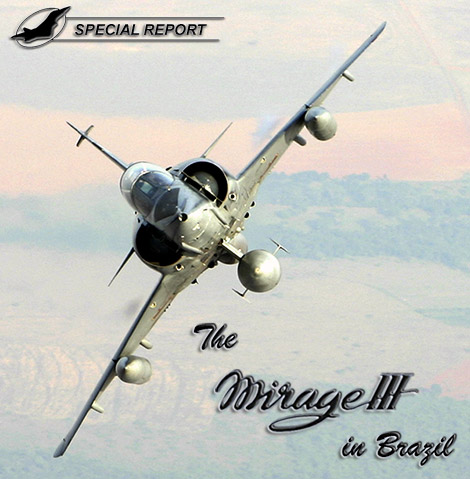 December 2005, the Mirage III will soon retire from the Brazilian Air Force, after 67,000 flight hours and
33 years of service. Leandro Maldonado
looks at the fighter's history in Brazil. HistoryThe history of the Mirage III in Brazil goes back to the sixties, when the FAB elaborated a modernization program and the creation of an air space control system. In 1967 the implementation started of the SISDACTA- Sistema Integrado de Defesa Aérea e Controle de Tráfego Aéreo (Integrated Air Traffic Control and Air Defence System) and of the COMDA-Comando de Defesa Aérea (Air Defence Command). 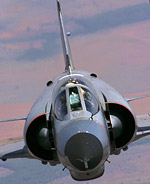
As part of the program, it was necessary to acquire a supersonic aircraft to execute the air defence and interception missions. The FAB's initial desire was to obtain the McDonnell Douglas F-4 Phantom II, however it could not be materialised because of American restrictions on the sale of advanced military equipment to South American countries. With the Phantom out of the game, the remaining option was to look for an European fighter. Among the contenders were the British English Electric Lightning, the Swedish Saab Draken and the French Dassault-Breguet Mirage IIIE. About the same time, the Mirage IIIC, in the hands of the Israeli pilots, inflicted heavy losses to its Arabic neighbours in the 'Six Day War'. There is no doubt that the Mirage III's excellent performance, achieved by the Israelis in that war, helped Dassault-Breguet secure many clients around the world, including Brazil. Contract and preparations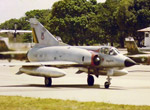
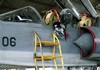
On May 12, 1970, the contract was signed between Marcel-Dassault and the Brazilian government. The contract covered a total of 16 aircraft: 12 monoplaces IIIE and 4 biplaces IIID. Dassault designated the aircraft as Mirage IIIEBR and IIIDBR, and in Brazil they were officially named F-103E and F-103D, respectively. The aircraft received standard FAB four-digit registration numbers, these ranging from 4900 to 4903 for the F-103D, and from 4910 to 4922 for the F-103E. According to the FAB registry standard, the first number specifies the aircraft function, in this case the number four (4) means that the aircraft is a fighter, and the remaining three digits are the registration in the FAB inventory. To house the new aircraft, a new air base was built in the city of Anápolis, Goiás state, some 150Km southwest from Brasília. Located strategically in the very centre of the country, Anápolis was very close to the Brazilian capital, and inside the delta formed by Brasília, Rio de Janeiro and São Paulo, the main cities of the country. Two days before the Mirage IIIE purchasing contract was signed, the 1º ALADA (Ala de Defesa Aérea – 1st Air Defence Wing) was created on May 10, 1970 to receive and operate the recently selected fighter. 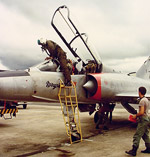
The training program of the prospective Mirage III pilots begun on May 23, 1972, when a group of eight experienced fighter pilots, all of them with more than 1000 flight hours, departed to Dijon Air Base, France. These pilots were kindly known as 'Dijon’s Boys', and the group consisted of the then 1º ALADA commander, Coronel-Aviador Antônio Henrique Alves dos Santos, the Tenente-Coronéis-Aviadores Jorge Frederico Bins, Ivan Moacir da Frota, the Majores-Aviadores Ronaldo Eduardo Jaeckel, Ivan Von Trompowsky Douat Taulois, Lúcio Starling de Carvalho, Thomas Anthony Blower and the Capitão-Aviador José Isaías Vilaça. Entering Service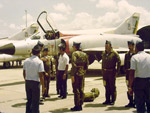
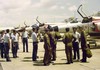
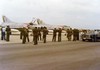
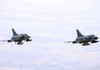
The first Mirage IIIE arrived at Anápolis on October 01, 1972, on board of a FAB C-130 Hercules. The second aircraft was delivered a few days later, on October 08. All F-103 were assembled in the 1º ALADA Maintenance and Supplies Squadron hangar. The delivery program proceeded very well without any delays. The last aircraft had been received by May, 1973. On the hands of Pierre Varraut, Marcel-Dassault test pilot, the first F-103E (FAB 4910) took to the skies on March 27, 1973. It was the first FAB supersonic flight as well. On April 06, 1973, the first official flight of the type was made by a formation of four F-103E and two F-103D over Brasília. 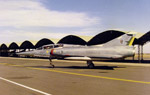
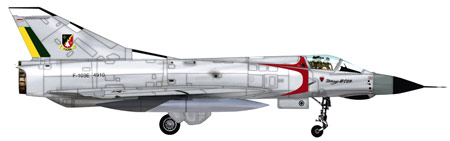
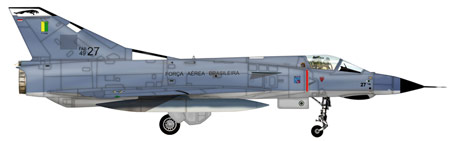
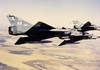
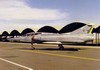
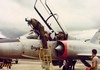
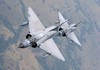
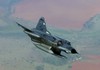
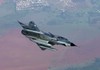
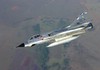
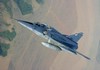
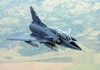
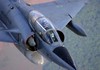
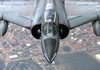
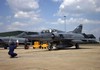
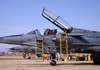
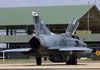
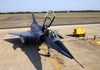
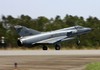
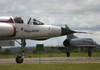
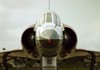
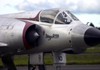
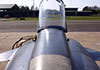
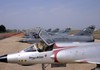
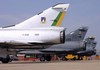
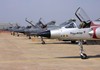
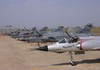
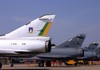
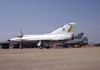
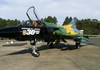
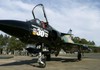
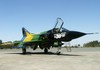
All F-103s kept in their original aluminium paint scheme, with red marks on the air intakes, wings and behind the cockpit. The aircraft received the national insignia above and under the wings, the FAB registration on the aft fuselage, a green-yellow stripe on the rudder and the 1 º ALADA unit emblem on the tail. This paint scheme was carried until 1981, when a two-tone grey scheme was applied to all F-103s. Operational CareerOn April 11, 1979, the 1º GDA ( Primeiro Grupo de Defesa Aérea – First Air Defence Group) was officially established. On April 19, 1979, the 1º ALADA was disbanded and the 1º GDA took over its functions and F-103 aircraft. The 1º GDA remained stationed at Anápolis AB. 
During its operational career in Brazil, the Mirage III fleet suffered some attrition and many additional airframes were bought to replace the lost ones and to keep up the 1º GDA's combat readiness. In total, Brazil acquired 16 additional aircraft from Armée de L’Air surplus. These consisted of four F-103E in 1980, two F-103D in 1984, two F-103E in 1988, two F-103D and two F-103E in 1989, two F-103E in 1998 and the last two F-103D in 1999. Upgrading the F-103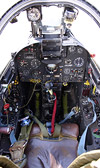
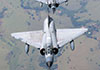
In 1989 all F-103s entered a limited upgrade program. The upgrade consisted of the installation of canards and some minor mechanical and structural modifications. In 1991/1992 one F-103E (FAB 4929) received a refuelling probe installation and on April 22, 1992, the aircraft made its first refuelling contact with a KC-130H of the 1º/1º GT. The modified F-103 flew until 1993 but was then retired and the program to install refuelling probes on all Mirage fleet was cancelled. In 1995 the FAB reorganized its operational structure and, as part of that, a new function was given to the 1º GDA. From then on, the unit was responsible for ground attack missions too, becoming a true multi-tasked squadron. The unit absorbed its new mission very well and today all their pilots are prompt ready to intercept intruders or to attack ground objectives. 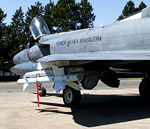
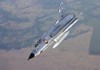
To replace the ageing MATRA R.530 air-to-air missile, of which only one could be carried on the centreline pylon of the F-103, all aircraft were modified in 1997 to carry two Israeli Rafael Python III air-to-air missiles on their outboard wing pylon. The modification also allowed the Brazilian Mectron MAA-1 Piranha, and the AIM-9B Sidewinder missiles to be carried on the same stations under the wings. Completing the modifications, a chaff and flare dispenser system was also installed to improve the self-defence capabilities of the F-103s. The F-103 Today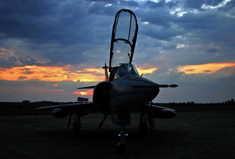
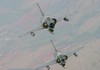
In recent years the F-103s participated in many international exercises held in Brazil. Among them are the Operação Tigre II (Operation Tiger II) with the USAF, in Natal-RN (1995); Operação MISTRAL I and II with the Armée de L’Air, again in Natal (1997) and Santa Maria-RS (1998). The last two joint exercises in which the Mirage III took part were the CRUZEX 2002 in Canoas-RS and CRUZEX 2004 in Natal. On these exercises, the F-103s flew against F-16s, Mirage 2000Cs and Mirage 2000-5s and despite the high competence of the skilled Brazilian pilots, the results showed clearly that the Mirage IIIE has become obsolete for today's combat arena and has very small chances of success when encountering newer generation fighters in combat. 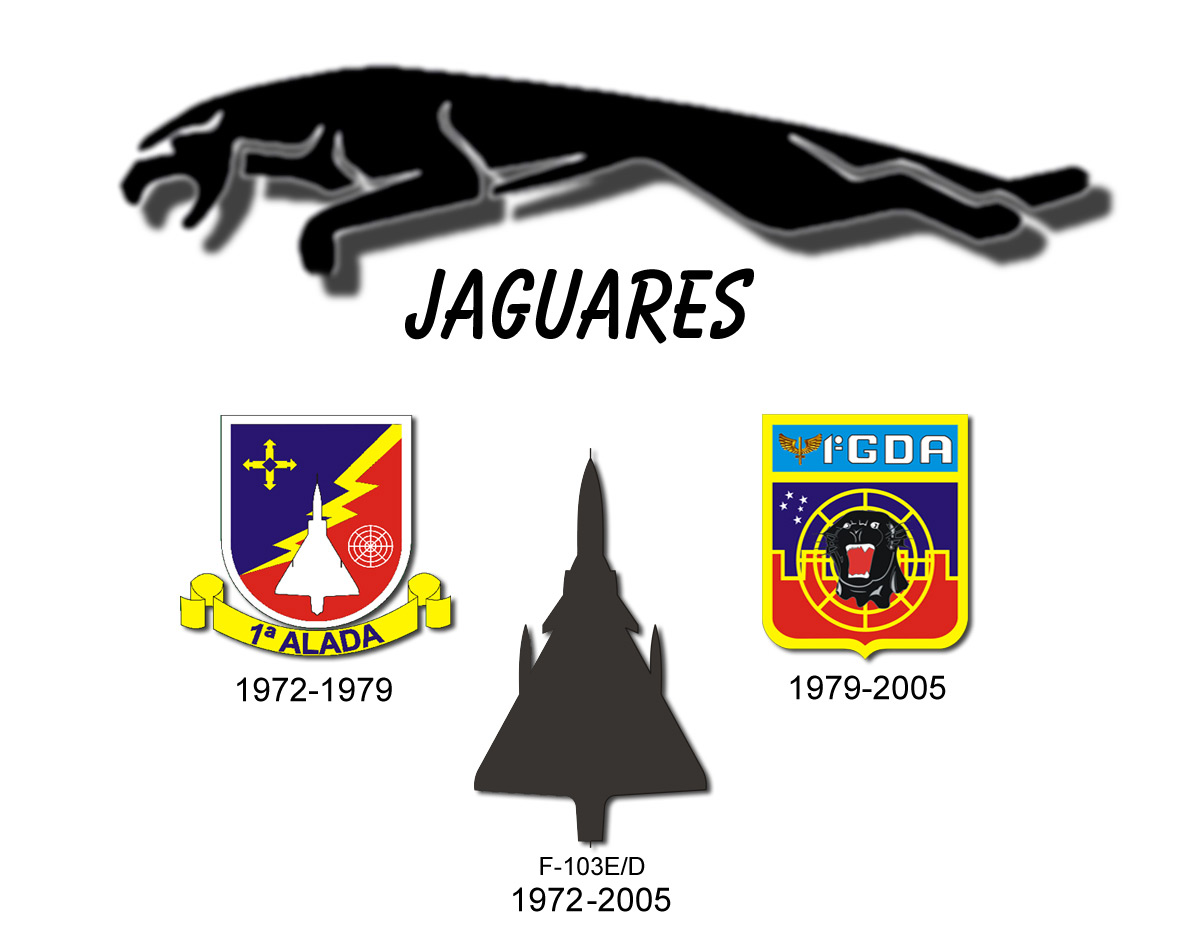
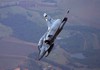
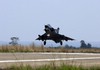
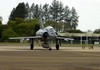
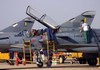
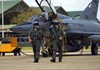
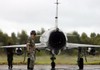
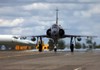
The F-103 will be retired from operational service on December 31, 2005. On that date, the type will have accumulated more than 67,000 flight hours in FAB service. More than 200 pilots flew the F-103 in these 33 years of service and many more ground crew members worked hard to keep the delta fighter ready for action. The time of the Mirage III has passed, but it has already made its mark in Brazilian aviation history and will be remembered forever!
|
|
||||||||||||||||||||||||||||||||||||||||||||||||||||||||||||||||||||||||||||||||||||||||||||||||||||||||||||||||||||||||||||||||||||||||||||||||||||||||||||||
|
Related Links
- MILAVIA News: FAB Mirage III official retirement ceremony - MILAVIA Air Force Report: Força Aérea Brasileira - MILAVIA Air Force Report: FAB Mirage III (F-103) photo gallery - MILAVIA Photo Report: FAB Mirage III celebrates 65.000 hours - MILAVIA Special: FAB Mirage IIIEBR/DBR Walk-around - MILAVIA Aircraft Section: Dassault-Brequet Mirage III |
|||||||||||||||||||||||||||||||||||||||||||||||||||||||||||||||||||||||||||||||||||||||||||||||||||||||||||||||||||||||||||||||||||||||||||||||||||||||||||||||
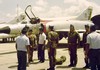
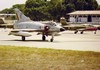
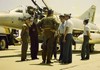
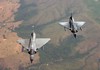
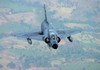
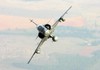
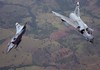
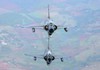
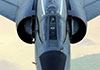
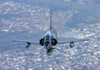
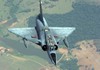
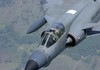
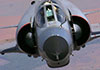
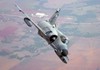
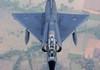
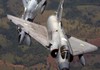
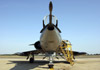
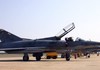
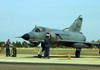
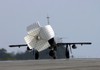
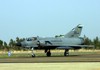
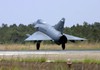
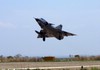
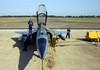
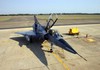
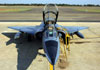
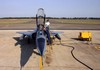
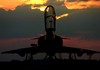
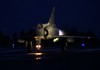
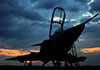
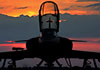
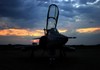
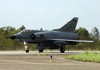
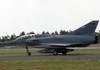
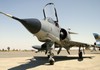
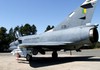
Report by Leandro Maldonado. Photos by Leandro Maldonado and Johnson Barros - CECOMSAER / FAB
Last Modified: 4 April 2013
Update log:
04/04/13 Upgraded layout
06/28/07 Added related links
12/20/05 Updated profiles
Home | Aircraft | Air Forces | Air Shows | Specials | Wallpapers | News | Quiz | Forum
Contact | About | FAQ | Updates | RSS Feeds | Links | Search
 Back to Index
Move to Top
Back to Index
Move to Top 
Copyright © 2002-2026 Niels Hillebrand. All Rights Reserved | Privacy & Cookie Policy | Terms of Service

